Apostilles for International Documents Guide
Legalization, Apostilles, International Documents
Apostilles for International Documents: A Practical Guide for Individuals
If you are planning to study, work, marry, or move abroad, you may be asked to “get an apostille” on your documents. The term can sound intimidating, but the process is manageable once you understand what an apostille is and how to obtain one. This guide walks you through the essentials, step by step, with individual travelers, students, and families in mind.
What Is an Apostille and Why Might You Need One?
An apostille is an official certificate that verifies the authenticity of a public document so it can be recognized in another country. It confirms that the signature, stamp, or seal on your document is genuine and was issued by a competent authority in your home country. The apostille itself does not validate the content of the document; it simply proves that the document is legitimate and properly issued or notarized.
Apostilles exist because of the Hague Convention of 5 October 1961, an international treaty that simplified the way documents are legalized between member countries. Instead of going through embassies and consulates for multiple layers of authentication, one apostille from the designated authority in your country is enough for use in any other member country.
📌 Key Takeaway: An apostille is like an international “stamp of approval” that tells foreign authorities your document is officially recognized at home.
Common Situations Where Individuals Need Apostilles
Many people first hear about apostilles when a foreign institution suddenly requests one. If you are an individual (not a company), here are some of the most common scenarios where apostilles are required for international documents:
Studying abroad: Universities may ask for apostilled diplomas, transcripts, or criminal background checks as part of the admission or visa process.
Working overseas: Employers or immigration authorities often require apostilled degrees, professional licenses, or police clearance certificates to verify your qualifications and record.
Marriage abroad: If you are getting married in another country, you might need apostilled birth certificates, certificates of no impediment to marriage, or divorce decrees from previous marriages.
Moving or retiring overseas: Residency applications can require apostilled birth certificates, marriage certificates, and police checks for you and your family members.
Family matters: Adoption, child custody, or inheritance cases involving another country may call for apostilled court decisions, powers of attorney, or civil status records.
💡 Pro Tip: As soon as you start planning an international move, study program, or wedding, ask the foreign institution for a complete list of documents that must be apostilled. This helps you avoid last‑minute surprises.
Which Types of Documents Can Receive an Apostille?
Not every piece of paper can be apostilled. Generally, apostilles are issued for public documents such as:
Civil status records: birth, marriage, death, and divorce certificates issued by a government office or registry.
Educational documents: diplomas, degrees, transcripts, and school attendance certificates, sometimes after certification by an education authority or notary.
Court and administrative documents: judgments, adoption decrees, or official letters from government agencies.
Notarized documents: powers of attorney, sworn statements, or copies certified by a notary public.
Each country has its own detailed rules, so it is wise to check your government’s official apostille guidelines. In many cases, you must first obtain a recent original document or a certified copy before it can be apostilled. Photocopies printed from your home printer are usually not acceptable unless a notary has certified them and your apostille authority allows this route.
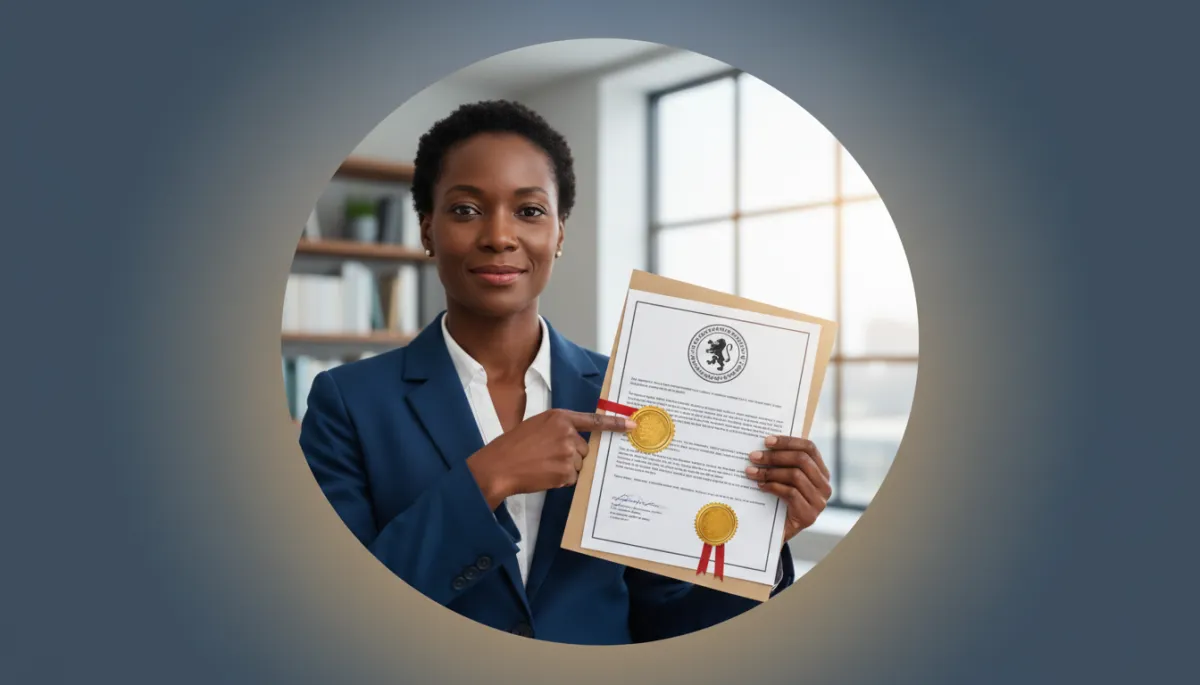
Verifying names, dates, and seals before requesting an apostille can prevent costly delays later.
Step-by-Step: How Individuals Obtain an Apostille
The exact procedure differs by country, but most individuals will follow a similar sequence. Here is a general roadmap you can adapt to your situation:
Confirm the destination country. Apostilles only apply between countries that are parties to the Hague Apostille Convention. If the country where you will use your document is not a member, you will need a different process called “consular legalization” instead of an apostille.
Identify the competent authority. Each country designates one or more offices to issue apostilles. These may be the Ministry of Foreign Affairs, the Department of State, regional courts, or similar bodies. Check your government’s official website to find the right authority and instructions.
Obtain the correct version of your document. Many authorities require a recent original or certified copy, often issued within the last few months. For educational documents, you might first need a notarized copy or certification from the education ministry or school administration office.
Check whether translation is needed. Some foreign institutions accept documents in your language with an apostille, while others require a sworn or certified translation. Often, the apostille is placed on the original document first, and the translation is attached afterwards, but requirements vary. Always follow the instructions of the receiving authority.
Submit your documents. Depending on your country, you may apply for an apostille in person, by mail, or online. You will typically need:
The original or certified document
A completed application form (if required)
A copy of your ID or passport
Payment for the apostille fee and, if mailing, return postage
Receive and verify the apostille. Once issued, the apostille will either be attached physically to your document or provided as an electronic certificate, depending on your country’s system. Before sending it abroad, double‑check that names, dates, and document details are correct and clearly legible.
How Long Does It Take and How Much Does It Cost?
Processing times and fees vary significantly from one country to another, and sometimes even between regions within the same country. As an individual, you should consider both the time to obtain or update your documents and the time for the apostille itself.
Processing time: In some places, apostilles can be issued the same day if you apply in person. In others, it may take several days or weeks, especially during busy periods or if you apply by mail from abroad.
Fees: Government fees typically range from modest to moderate per document. If you use a private courier or an apostille service provider to handle the process for you, expect additional service and shipping charges.
💡 Planning Tip for Individuals: Start the apostille process several weeks before any visa deadline, university intake date, or wedding ceremony. Building in a time buffer greatly reduces stress.
Avoiding Common Mistakes with Apostilles for Personal Documents
Because apostilles are often needed at important life moments—starting a new job, getting married, moving countries—mistakes can feel especially stressful. Here are frequent issues individuals encounter and how to avoid them:
Using outdated documents: Some authorities only accept certificates issued within a recent period (for example, the last three or six months). Always ask whether your document must be newly issued before you request the apostille.
Skipping required intermediate steps: Educational documents may first need verification from a school or education ministry before the apostille office will accept them. Skipping this stage can lead to rejection and lost time.
Mismatched names or details: If your name appears differently across documents—such as missing middle names, spelling variations, or name changes after marriage—clarify with the foreign authority how they want this handled. You may need additional documentation to link the names.
Not checking Hague membership: Applying for an apostille when the destination country is not a Hague member wastes time and money. In that case, you should follow the consular legalization process instead, usually involving your foreign embassy or consulate.
When to Consider Professional Help—and When You Can DIY
Many individuals successfully manage the apostille process on their own, especially when they are in their home country and dealing with only one or two documents. Government websites often provide clear instructions, and the main investment is your time and attention to detail.
However, professional assistance can be useful in certain situations:
You are already living abroad and need documents from your home country apostilled and shipped to you.
You have a tight deadline and cannot visit offices in person or manage multiple steps on your own.
Your case involves several different types of documents, translations, and authorities, making the process more complex.
If you choose a service provider, look for clear pricing, realistic timelines, and transparent explanations of the steps they will handle on your behalf. Even when you outsource, it is helpful to understand the apostille process so you can ask the right questions and provide accurate information.
Final Thoughts: Turning a Technical Requirement into a Simple Checklist
Apostilles for international documents may sound like a bureaucratic obstacle, but for individuals they are simply one more step in preparing for life abroad. Whether you are pursuing a degree, accepting a new job, joining a partner in another country, or securing your family’s legal rights, an apostille helps foreign authorities trust the documents you present.
By breaking the process into stages—confirming the destination country, gathering the correct documents, checking translation needs, and applying with the right authority—you can turn a technical requirement into a manageable checklist. Start early, read instructions carefully, and do not hesitate to ask questions from both your home authorities and the foreign institution that requested the apostille.
With a bit of preparation, apostilles become less of a mystery and more of a routine formality—one that clears the way for your next international chapter, whether that is a new career, a new family life, or simply a new place to call home.