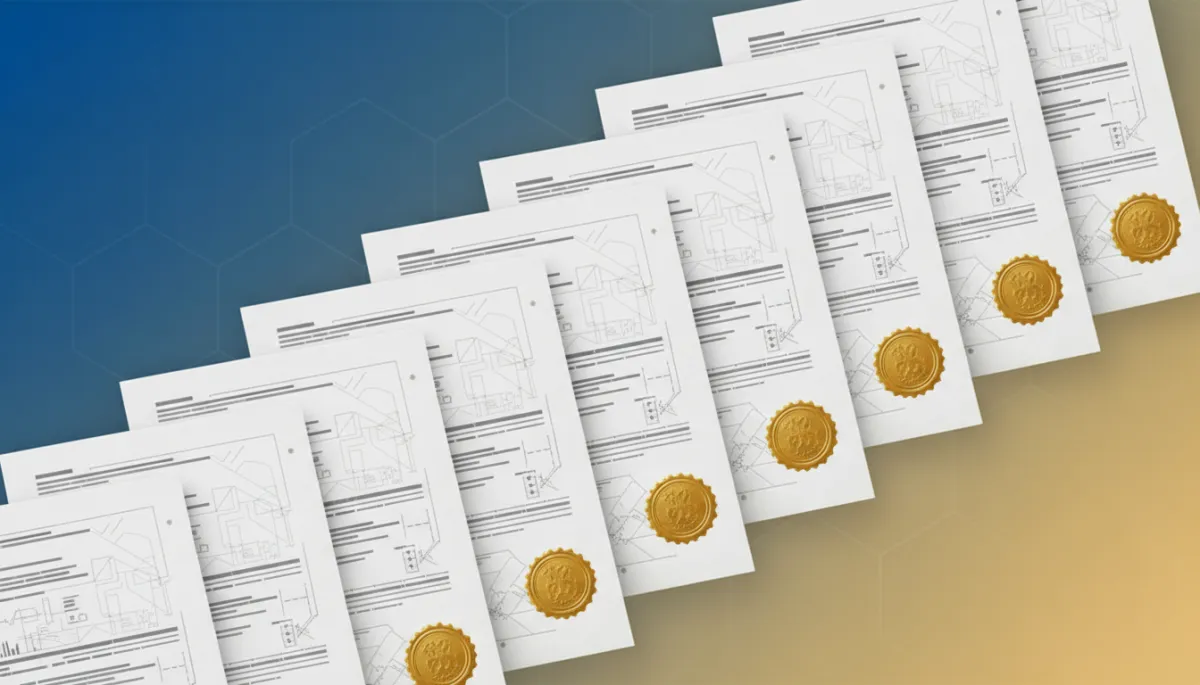
10 Documents Needing Apostille: A Business Guide
International Business, Apostille Services, Corporate Compliance
10 Documents That Commonly Need an Apostille: A Practical Guide for Businesses and Agencies
When your organization starts working across borders, paperwork quickly becomes more complex. One term that appears again and again is Apostille—a special form of international certification used to validate public documents between countries that are part of the Hague Apostille Convention. For businesses, law firms, relocation agencies, and government bodies, knowing which documents typically require an Apostille can save weeks of delay and costly last‑minute scrambling.
1. Certificates of Incorporation and Formation Documents
For companies expanding abroad, the certificate of incorporation (or formation documents such as Articles of Incorporation, Articles of Organization, or Company Registration Certificates) is often the first document foreign authorities request. Banks, tax offices, and commercial registries in another country need assurance that your business is legally constituted in its home jurisdiction. An Apostille on these documents confirms that the issuing authority—usually a secretary of state, companies registry, or similar body—is genuine and recognized under international standards.
2. Certificates of Good Standing / Status Certificates
When opening a foreign bank account, bidding on overseas tenders, or forming a joint venture, counterparties often ask for a Certificate of Good Standing (also called Certificate of Status or Existence). This document confirms that your company is active, compliant with local filing requirements, and authorized to do business. Many foreign institutions will not proceed without an Apostilled version, as it gives them confidence that the certificate is authentic and up to date, avoiding the need for additional verification steps.
3. Powers of Attorney for International Representation
Businesses frequently appoint local representatives, law firms, or agents abroad to act on their behalf. A Power of Attorney (POA) authorizing these actions is usually notarized in the company’s home country and then sent overseas. Without an Apostille, foreign courts, registries, and notaries may refuse to accept the POA. For agencies managing cross‑border real estate transactions, litigation, or corporate registrations, ensuring that every POA is properly notarized and Apostilled is essential to keeping projects on schedule and avoiding rejected filings.
4. Board Resolutions and Shareholder Resolutions
When your company authorizes major actions abroad—such as opening a foreign branch, purchasing property, or entering a large contract—those decisions are often documented in board or shareholder resolutions. Foreign authorities may request Apostilled copies of these resolutions to verify that the transaction has been properly approved under your company’s internal governance rules. This is especially common in banking, mergers and acquisitions, and government procurement processes where proof of proper authorization is non‑negotiable.

Properly notarized and Apostilled resolutions streamline high-value cross-border approvals.
5. Commercial Contracts and Service Agreements Used Abroad
Not every contract needs an Apostille, but when a commercial agreement will be filed with a foreign regulator, court, or public agency, certification is often requested. Examples include franchise agreements, distribution contracts, and long‑term service agreements with public entities. An Apostilled contract reassures overseas partners that the signatures are genuine and that the notary or official who witnessed the document is duly authorized, reducing the risk of disputes about validity in the future.
6. Corporate Tax Certificates and Fiscal Documents
In cross‑border tax planning, transfer pricing, and residency matters, authorities may ask for tax residency certificates, tax clearance letters, or proof of tax registration. When these documents are used in another Hague Convention country—for example, to claim treaty benefits or prove that tax has already been paid—an Apostille is often required. For multinational groups and accounting firms, building Apostille checks into tax documentation workflows helps prevent double taxation issues and delays in obtaining refunds or credits abroad.
7. Trade Register Extracts and Company Registry Excerpts
Many countries issue official company register extracts or trade register excerpts that summarize key corporate data—directors, registered address, share capital, and legal form. Banks, customs authorities, and business partners abroad often rely on these documents to complete due diligence and “know your customer” (KYC) checks. An Apostille on a recent extract confirms that it was issued by the proper registry and reflects the current status of the company, which is particularly important in regulated industries like finance, logistics, and energy.
8. Educational and Professional Credentials for Staff Deployment
Agencies and corporations that relocate employees, place consultants abroad, or bid on technical projects often need to prove the qualifications of key personnel. Diplomas, transcripts, professional licenses, and training certificates may need to be Apostilled before they are recognized by foreign employers, licensing bodies, or immigration authorities. For example, engineering firms working on overseas infrastructure projects are frequently asked to provide Apostilled degrees and licenses for project managers and specialized experts as part of tender submissions or visa applications.
9. Civil Status Documents Used in Corporate Contexts
While birth, marriage, and death certificates are often seen as personal documents, they play a significant role in business and agency work. For example, a marriage certificate may be required to grant dependent visas for relocated executives; a birth certificate might be needed for citizenship‑by‑investment programs or inheritance matters involving company shares. When these civil status documents are submitted abroad, authorities almost always require an Apostille to confirm that the registry office or vital records agency that issued them is legitimate and that the record has not been altered.
10. Court Orders, Probate Documents, and Corporate Legal Filings
Finally, a range of judicial and legal documents commonly require Apostilles when they cross borders. This includes court judgments in commercial disputes, probate documents relating to shares or business interests, adoption orders affecting employee benefits, and bankruptcy or liquidation orders. Law firms, government agencies, and in‑house legal teams often need Apostilled copies of these documents to enforce decisions abroad, recognize foreign proceedings, or demonstrate legal capacity in another jurisdiction. Without proper certification, foreign courts and public offices may refuse to act on the documents at all.
Building Apostille Planning into Your Cross‑Border Workflow
For businesses and agencies operating internationally, Apostille requirements are not an occasional nuisance—they are a predictable part of doing cross‑border work. The challenge is that every jurisdiction has its own procedures: some require notarization before the Apostille, others only accept originals or certified copies, and processing times can range from same‑day to several weeks. Failing to anticipate these timelines can derail contract signings, delay market entries, or put visa applications at risk.
A practical approach is to create an internal checklist for international projects that flags which of the ten document types above are likely to be needed. Coordinate early with your legal, HR, and tax teams to identify the issuing authorities, confirm whether notarization is required, and schedule Apostille processing well ahead of submission deadlines. Many organizations also partner with specialized Apostille and legalization service providers who can manage filings across multiple jurisdictions, track status, and ensure that documents meet each country’s specific standards.
Conclusion: Turn a Common Bottleneck into a Competitive Advantage
Apostilles may seem like a small administrative detail, but for globally active businesses and agencies, they are a recurring gatekeeper to progress. Certificates of incorporation, good standing, powers of attorney, board resolutions, key contracts, tax and registry documents, staff credentials, civil status records, and court orders all regularly require this form of international authentication. Organizations that treat Apostille planning as part of standard project management—rather than an afterthought—are better positioned to launch operations on time, satisfy regulatory demands, and inspire confidence in international partners.
By understanding which documents are most likely to need an Apostille and integrating that knowledge into your internal processes, you can reduce friction, avoid costly delays, and support smoother cross‑border collaboration. In a world where timing, compliance, and credibility matter, having your Apostille strategy in order is not just good housekeeping—it is a quiet but powerful competitive advantage for any organization operating on the global stage.