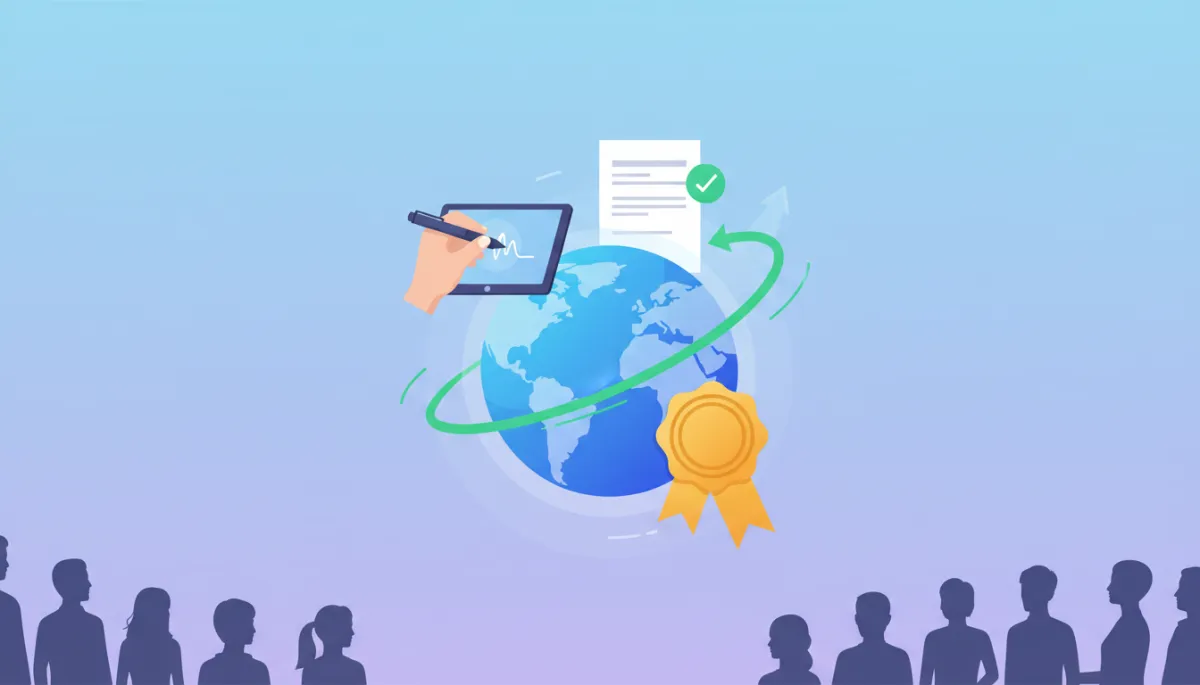
Guide to Remote Notarization & Apostille Process
Legal Services, Remote Online Notarization, Apostille
Remote Online Notarization Before an Apostille: A Practical Guide for Individuals
If you need documents accepted overseas, you may hear two terms that sound intimidating: Remote Online Notarization (RON) and apostille. The good news is that, with the right steps in the right order, you can often handle the whole process from your living room. This guide walks you through how remote online notarization works before an apostille, what to expect, and how to avoid common mistakes as an individual (not a business or law firm).

Notarize From Home, Then Go Global
Understand remote online notarization before getting an apostille
What Is Remote Online Notarization (RON)?
Remote Online Notarization is a way to have your document notarized entirely online. Instead of visiting a notary in person, you connect with a commissioned notary public over a secure video call. They verify your identity, watch you sign (or witness your already signed document, depending on the type), and then apply a digital notary seal and electronic signature.
RON is now authorized in many U.S. states and in a growing number of other countries. The exact rules vary by location, but the core idea is the same: the notary uses technology to perform the same checks they would in person, including:
Confirming your identity with your ID document and knowledge-based questions or credential checks
Ensuring you are signing willingly and understand the document
Recording the session and keeping a secure record, as required by law
💡 Pro Tip: Before scheduling a remote online notarization, confirm that the receiving country and the authority requesting your document accept electronic notarizations, not just traditional ink stamps.
What Is an Apostille and Why Might You Need One?
An apostille is an official certificate that makes your document valid for use in another country that is part of the Hague Apostille Convention. Think of it as an international stamp of authenticity for public documents, including notarized ones. It does not confirm the content of your document, but it confirms that:
The notary or official who signed it is genuine and properly authorized
The seal or signature on the document is valid in the issuing country
Individuals commonly need an apostille for:
Powers of attorney for property or banking abroad
Consent letters for a child to travel or live overseas
University degrees, transcripts, or diplomas submitted to foreign schools or employers
Affidavits, declarations of single status, or other sworn statements
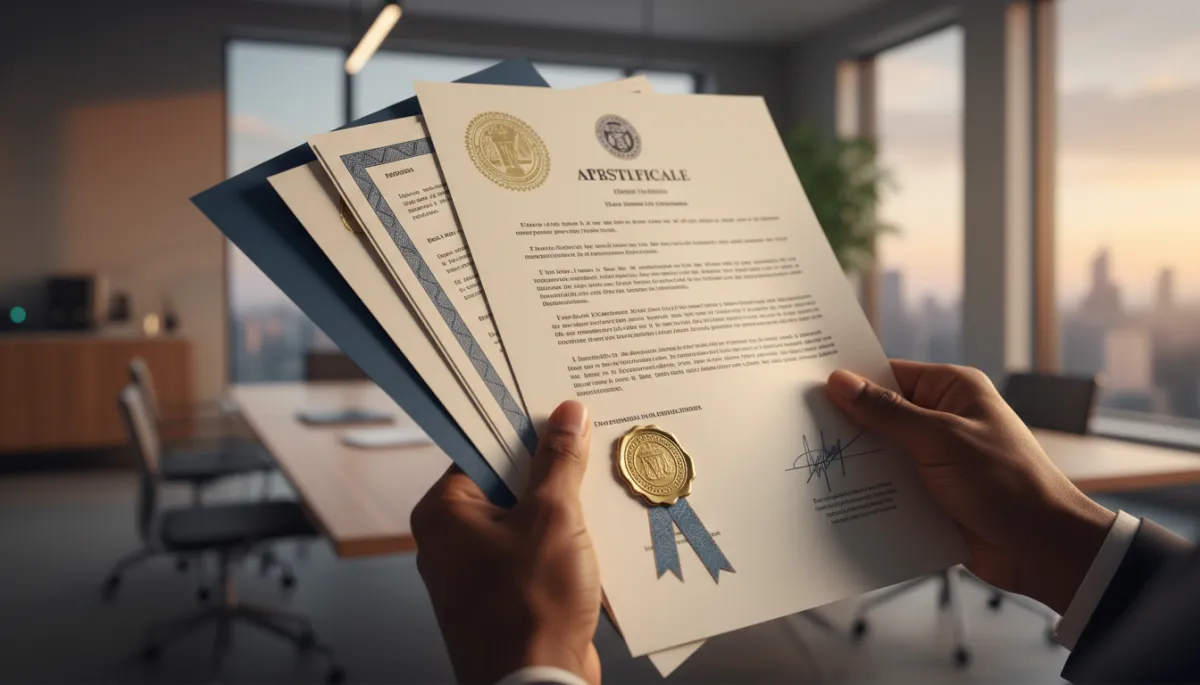
A notarized document often needs an apostille before it is accepted abroad.
How Remote Online Notarization Fits Into the Apostille Process
For many documents, the sequence is: sign → notarize → apostille. When you use RON, you are simply replacing the in-person notarization step with an online one. The apostille still comes after notarization, and it is usually issued by a government office, such as a Secretary of State or Ministry of Foreign Affairs, depending on your country.
The key question is whether that government office will issue an apostille on a remotely notarized document. In many U.S. states, they will, as long as:
The notary is commissioned in that state and authorized to perform RON
The notarization meets all legal requirements (proper wording, seal, and recordkeeping)
Some authorities may still prefer or require a paper original with a “wet ink” notary stamp. Others accept electronic notarizations and may issue an e-apostille in digital form. Because rules differ widely, the safest move is to confirm requirements before you begin.
📌 Key Takeaway: Remote online notarization is often acceptable before an apostille, but acceptance depends on both your local authority and the foreign country where your document will be used.
Step‑by‑Step: From Remote Online Notarization to Apostille
1. Confirm What the Foreign Recipient Requires
Before you book a notary, contact the person or institution asking for the document—such as a university, consulate, or bank—and ask:
Do you accept a document notarized online, or must it be notarized in person?
Do you require an apostille? If so, from which country or state?
Do you need the original paper document, or is a secure electronic copy enough?
2. Choose a Qualified Remote Online Notary Service
Look for a platform that clearly states:
Which state or country their notaries are commissioned in
That they are authorized to perform remote online notarizations under local law
Whether they can provide a paper version of the electronically notarized document, if needed for the apostille office
Many reputable platforms also offer optional apostille services, which can simplify the process if you prefer not to deal with government offices yourself.
3. Prepare Your Document and Identification
As an individual, your main tasks are straightforward:
Have a clear, readable version of your document (PDF is often preferred)
Keep your passport or government‑issued ID handy for identity verification
Make sure your name on the document matches your ID, or be ready to explain any differences (such as a maiden name)
4. Complete the Remote Online Notarization Session
During your video session, the notary will walk you through each step. You will sign electronically, and the notary will apply their electronic seal. When you are finished, you will typically receive:
A digitally notarized PDF, often with tamper‑evident security features
Instructions on how to download or request a paper copy, if needed
5. Submit the Notarized Document for Apostille
Next, you or a service provider will send the notarized document to the appropriate authority for an apostille. Depending on where you live, this might involve:
Mailing or delivering the document in person to a state or national office
Uploading the notarized file to an online portal for an electronic apostille, if available
Processing times vary from a couple of days to several weeks, so build in extra time if you have a deadline such as a university application or visa appointment.
Common Pitfalls Individuals Should Avoid
When you are handling this process on your own, a few missteps can cause delays or rejections. Watch out for:
Skipping the “acceptance” check: Not every country or institution accepts remote online notarization yet. Always verify first.
Using the wrong jurisdiction: If the apostille must come from a specific state or country, make sure your notary is commissioned there.
Sending a printout of a digital file that cannot be verified: Some offices need a certified paper copy or a way to confirm the digital seal. Follow their instructions carefully.
⚠️ Warning: If you are under time pressure—such as a visa deadline—consider using a professional apostille service to avoid errors that could force you to redo the entire process.
Is Remote Online Notarization Before an Apostille Right for You?
For many individuals, especially those living abroad, with mobility challenges, or on tight schedules, remote online notarization is a game‑changer. It allows you to:
Connect with a notary without traveling or taking time off work
Start the apostille process more quickly, often the same day you sign
Keep clear digital records of your notarized documents for future use
However, the “best” option is the one the foreign authority will actually accept. If they are not yet comfortable with remote notarization or electronic apostilles, a traditional in‑person notarization may still be necessary, even if it is less convenient for you.
Final Thoughts: Take Control of a Global Paper Trail
Navigating remote online notarization and apostilles can feel technical, but at its core, the process is about proving that your document is genuine—first in your own country, then in another. As an individual, you do not need to become a legal expert. You simply need to:
Ask the right questions of the foreign recipient up front
Choose a reputable remote online notary service that understands apostille requirements
Allow enough time for the government office to issue the apostille
When done correctly, remote online notarization before an apostille can save you travel, stress, and weeks of delay. With a clear plan and a bit of preparation, you can handle international document requirements confidently and focus on what really matters—your move, your studies, your family, or your new opportunity abroad.